



Gasum’s new biogas plant in Götene, Sweden, received final construction permits at the end of January. The company said its Götene plant represents the start of a string of investments into new biogas production, in line with its new strategy.
The plant will produce 120 gigawatt hours (GWh) worth of liquefied biogas or LBG per year from early 2025 onwards, and its construction commences following a careful and thorough planning and permit process.
Biogas is a fully renewable and climate friendly fuel, as it is produced using different types of organic waste. The Götene plant will mainly utilise manure as feedstock from the agriculture sector in the surrounding area. The plant will process approximately 400, 000 tons of feedstock yearly.
Manure is a feedstock that has the ability to turn biogas from a low-carbon to a carbon-negative fuel. It both lowers the greenhouse gas emissions when used, for example, in cars and trucks but also mitigates emissions generated by traditional treatment of manure, where it is spread out onto fields.
In addition to energy, the plant will produce 350, 000 tons of high quality environmentally friendly fertilisers, which are returned to the farmers providing the feedstock. Compared to fossil fertilisers, recycled fertilisers contain organic matter which is important in maintaining the growing conditions and weather resistance of farmlands, said the company.
Gasum is investing nearly €54 million in its Götene plant, of which $15m has been provided as a grant from Klimatklivet's - the Swedish Environmental Protection Agency - investment programme.
“We are extremely happy to be proceeding with this project in Götene, because in the last couple of years we have seen interest in biogas intensify in the Nordic countries as well as across the whole of Europe.
"The Götene biogas plant will be the first step in Gasum’s ambitious plan for increasing the availability of renewable energy to our customers whether they are in the traffic, industry or maritime segment”, said Erik Woode, head of project development & execution at Gasum.
The Götene plant is the first one in a series of five large scale biogas plants that Gasum plans to construct in Sweden during the next few years. The other locations will be Borlänge, Kalmar, Sjöbo and Hörby.
Gasum is also planning a biogas plant near Trondheim in Norway. These upcoming projects are part of Gasum’s renewed strategy to invest strongly in increasing Nordic biogas availability in the coming years.
Gasum’s strategic goal is that, by 2027, a significant portion of its profits will come from green energy sources. This means increasing the role of biogas and trade in renewable electricity.
Natural gas, and its liquefied form LNG, continues to be an important stepping stone and a pathway to biogas and possibly synthetic methane use in the future. This is because the existing infrastructure built for LNG is directly usable for the transfer of LBG and synthetic methane.
CONNECT WITH US



Latest Video
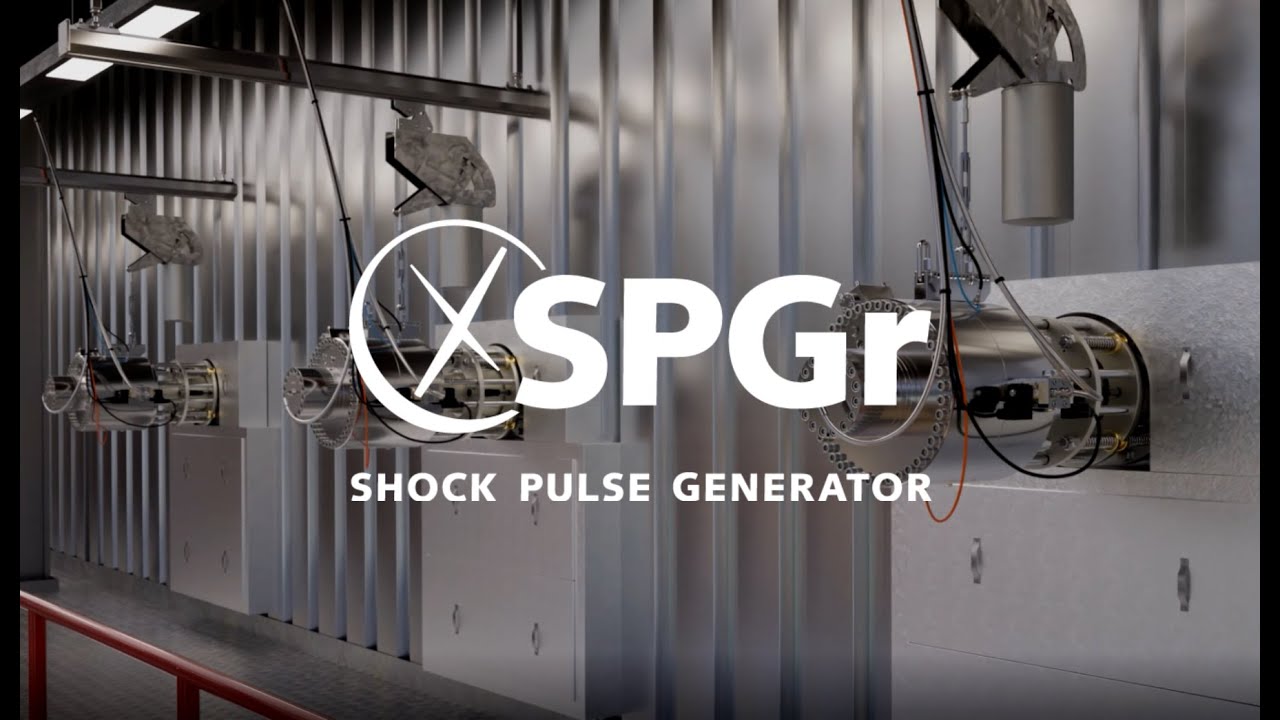
Shock Pulse Generators: Hightech system for automatic boiler cleaning
Boiler cleaning by means of Shock Pulse Generators



New documents unearthed by GMB indicate that between 89 and 148 roles are expected to be lost at the plant around 31 March 2027.
The cuts could represent more than 30% of the site’s 465-strong workforce
GreenValue GmbH has advised Balance Erneuerbare Energien on the acquisition of a biogas plant portfolio spanning Saxony, Saxony-Anhalt, and Mecklenburg-Western Pomerania — with a combined thermal input capacity of 46 MW.
Read more:
Ireland is backing five research teams with €2.6 million to tackle some of the biggest challenges in renewable gas — from biomethane production using macroalgae to AI-powered digital twins of gas infrastructure.
Read more: