




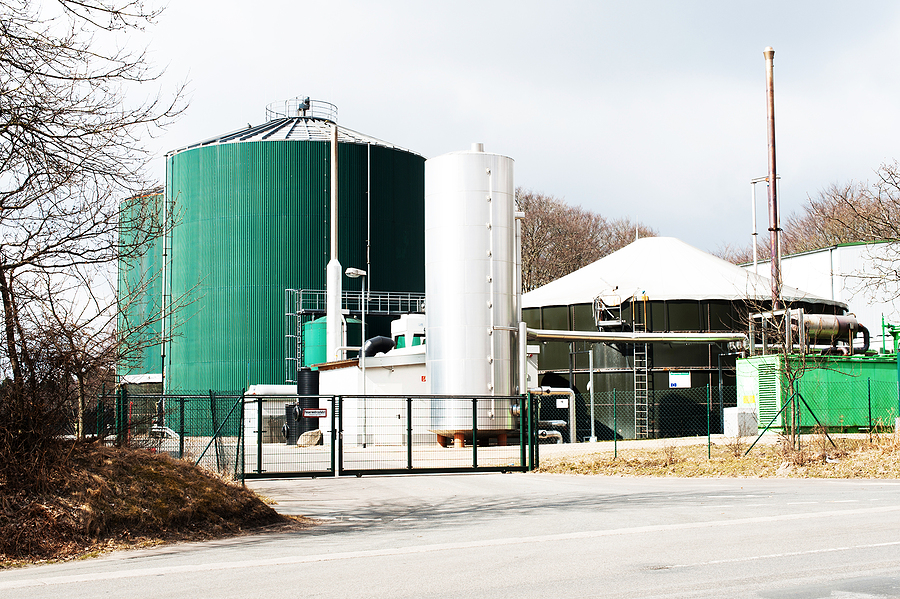
A peer-reviewed study measuring methane emissions across 31 biogas plants in Germany, Poland and the UK has found that the majority of emissions could be eliminated without any net cost to operators, though current levels are higher than previously estimated and regulatory frameworks are failing to capture them adequately.
The research, published in Communications Sustainability and led by scientists at Queen Mary University of London, Royal Holloway and collaborating institutions in Germany and Poland, found average emissions of 14.4 kg per hour per site, representing 5.4% of methane produced.
Both figures exceed previous estimates in the literature. Emissions varied considerably across countries, with German plants the lowest at an average of 5.5 kg per hour and a methane intensity of 3.1%, while Polish plants averaged 17.8 kg per hour and UK plants 20.9 kg per hour.
Despite those elevated figures, the study estimates that 59% of emissions could be eliminated at no net cost, with up to 83% abatable through operational and design improvements. Cost-effectiveness varied by country: the no-cost abatement share averaged 38% for German plants, 57% for UK plants and 67% for Polish plants.
Where the emissions come from
The study identified biogas production and storage and combined heat and power (CHP) engine exhaust as the dominant emission stages. Just 2% of individual sources, including lagoons, roof leaks, vents and exhausts, were responsible for 20% of total emissions across all sites. The researchers identified several practical no-regret mitigation options requiring little or no capital outlay: sealing and integrating mixing tanks and pasteurisers into the biogas system, installing gas-tight digestate storage, and implementing annual leak detection and repair (LDAR) surveys, which the study found to be cost-effective at 76% of facilities with identified fugitive emissions.
The most technically and economically challenging source is methane slip from CHP exhaust, which is present at all sites and is a major continuous emitter. Mitigating it typically requires installation of a regenerative thermal oxidiser, an expensive intervention that may also be unsuitable for plants operating flexibly in response to electricity price fluctuations. The authors call for further research into cost-effective approaches for this source.
A supply chain dominated by methane
When full supply chain emissions are considered, methane emerges as the dominant greenhouse gas, accounting for an average of 47% of total emissions over a 100-year time horizon and 60% over a 20-year horizon. The study also highlights the importance of feedstock choice: plants using waste feedstocks benefit from avoided emissions associated with alternative waste disposal routes, producing a substantially lower lifecycle footprint than plants using dedicated energy crops such as maize or rye, which carry the full emissions burden of growing and harvesting.
The authors conclude that for biogas and biomethane to be considered genuinely low-carbon energy sources, production must combine waste-based feedstocks with active minimisation of methane emissions throughout the supply chain.
Regulatory gaps
The study finds the current policy landscape fragmented and inadequate. The EU Renewable Energy Directive's greenhouse gas savings criteria, which provide the primary regulatory lever for methane at the EU level, do not apply to smaller plants and fail to cover two major emission categories identified in the research: fugitive emissions and pressure relief valve venting, which together account for 54% of total instantaneous emissions measured in the study.
LDAR requirements exist in Germany and the UK but vary substantially in scope, frequency and enforcement. The research found that plants in countries with national LDAR regulations had lower fugitive emissions than Polish sites, where only safety monitoring is required. However, the effectiveness of existing LDAR programmes is undermined by inconsistent detection standards: UK plants required to conduct annual inspections were in some cases using less sensitive, uncooled optical gas imaging cameras with surveys covering only limited areas of each facility, meeting the letter of the regulation without achieving meaningful emissions reductions.
The authors call for standardised detection equipment and protocols across the EU, mandatory gas flow metering to measure flared and vented volumes, revised greenhouse gas accounting under the Renewable Energy Directive to better reflect methane's climate contribution, and greater coherence between the EU Methane Regulation and national biogas policies.
The findings are particularly significant given the scale of planned biomethane expansion across Europe. The European Commission has set a non-binding target of 35 billion cubic metres of biomethane annually by 2030, more than ten times current production. The authors warn that without targeted policy intervention, scaling up production without addressing methane leakage risks an unintended increase in overall emissions from the sector.