



Toyota Motor Manufacturing UK's engine plant in Deeside, North Wales, has begun carbon-neutral production, becoming the first Toyota facility outside Japan to transition to carbon-neutral manufacturing operations.
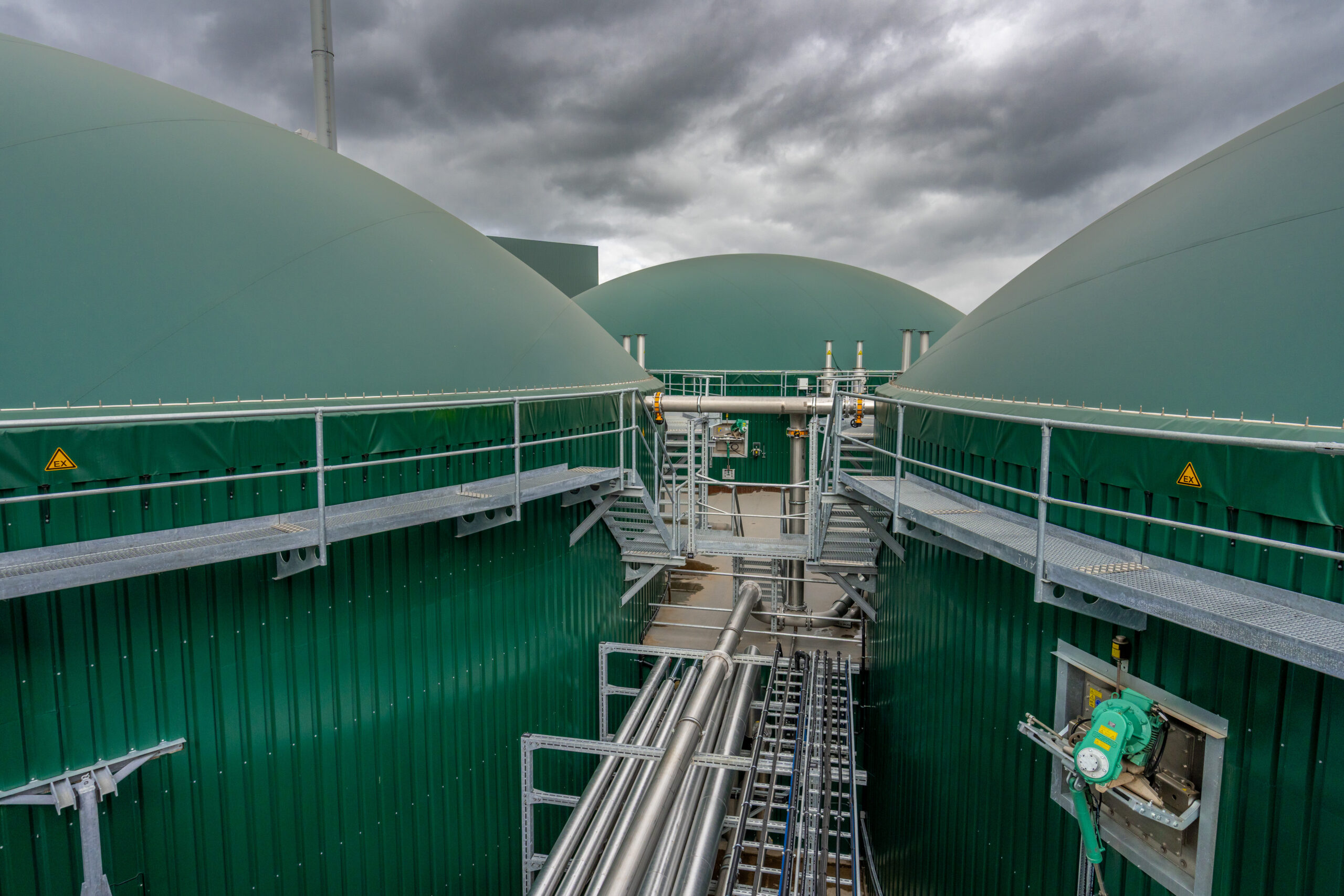
A newly commissioned anaerobic digester supplying biomethane gas and renewable electricity to the site played a decisive role in closing the plant's remaining emissions gap.
The £282 million privately funded digester, built adjacent to the plant, processes around 180,000 tonnes of waste a year sourced from the surrounding Deeside community.
Bacteria break down the waste to produce biomethane, which is piped underground directly to the factory in place of natural gas, saving almost 3,000 tonnes of CO2 emissions annually. Renewable electricity generated by the facility is also supplied to the plant via underground cables.
The digester enabled TMUK Deeside to take the final step toward carbon-neutral manufacturing and the international ISO 14068 standard, alongside the plant's existing use of renewable electricity and elimination of waste sent to landfill.
Full accreditation will follow a complete 12-month production cycle in 2027, with performance monitored and validated through the site's annual emissions reporting.
Dariusz Mikolajczak, TMUK Managing Director, said the milestone reflects decades of incremental improvement at the site. "For more than three decades, our members have been finding ways to reduce energy use, reduce carbon emissions, reduce waste, improve efficiency and reduce our impact on the environment. Often this has been through major projects and new technology, but just as often it has been through thousands of small improvements made by people who simply asked, 'can we do this better?' That mindset has brought us to this milestone as we begin carbon-neutral production and become the first Toyota plant outside Japan to transition to carbon-neutral manufacturing operations."
The Rt Hon Stephen Kinnock, Secretary of State for Wales, welcomed the announcement: "Congratulations to Toyota on achieving carbon-neutral status for the Deeside plant. Toyota is a major employer with a long and proud commitment to North Wales and it is a testament to the talented workforce here who have worked hard to reach this important milestone."
The Deeside milestone sits within Toyota Motor Europe's wider ambition for all its European manufacturing sites to reach carbon-neutral production by 2030, pursued through what the company describes as a technology-neutral, multi-pathway approach spanning renewable energy, circular resource use, and development of hydrogen and renewable fuel solutions.
Yoshihiro Nakata, Toyota Motor Europe President and CEO, set out the thinking behind that approach: "At Toyota, our vision has always been bigger than the car. Our purpose is to provide mobility for all, leaving no one behind. That means supporting the transition to carbon neutrality in a way that is inclusive, practical and focused on real-world impact. We are on a journey towards carbon neutrality across our entire value chain while also reducing our reliance on finite resources through circular approaches that keep valuable materials in use for longer."
Alongside the biomethane digester, Toyota is also pursuing circular material use at Deeside. Recycled aluminium recovered from end-of-life alloy wheels at Toyota's Circular Factory in Burnaston, Derbyshire, is sent to Deeside and transformed into new engine blocks, demonstrating how circular resource flows can support both carbon reduction and materials efficiency alongside the site's renewable energy supply.
TMUK Deeside is Toyota's European production centre for 1.8-litre hybrid and petrol engines fitted to the Corolla and Toyota C-HR. Since production began in 1992, the plant has produced more than six million engines for Toyota factories across Europe and worldwide, and was Toyota's first overseas facility to manufacture hybrid system engines.