



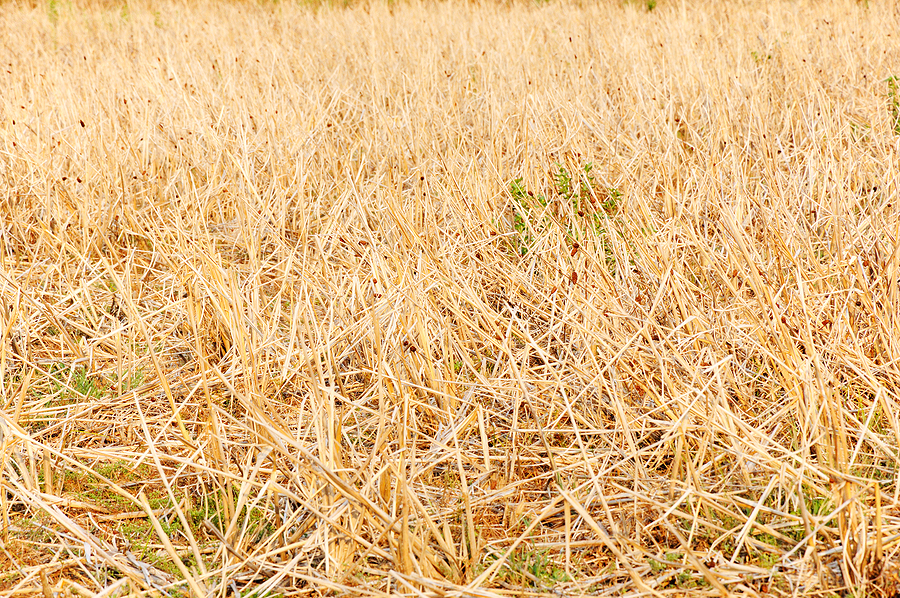
Punjab's network of paddy straw pelletisation units looks set to more than double in the coming months, as a central and state government push to curb stubble burning draws a new wave of small-scale entrepreneurs into biomass processing.
According to the Punjab Pollution Control Board (PPCB), 72 new entrepreneurs have registered to set up small-scale pellet units, on top of the 74 already operating across 20 districts. Between them, the new plants would be able to process around 2.2 million tonnes of paddy residue a year, compared with about 1.9 million tonnes for the existing fleet.
The programme began in 2023 as an ex-situ measure against the widespread burning of non-basmati paddy straw, when just five pellet units were established. The pellets are supplied to thermal power plants and other industrial users for co-firing.
PPCB's nodal officer for the pelletisation projects, Sukhdev Singh, said the 72 new projects are at various stages of approval and installation, with six or seven expected to be running by December.
He put the growth in interest down to a central government incentive under which entrepreneurs receive a 40 per cent grant, put in a matching 40 per cent from their own funds and raise the remaining 20 per cent from an institution.
Demand is also being underpinned by policy, he said, as PPCB has directed the state's coal-based thermal power plants to buy biomass pellets and briquettes produced in Punjab.
Entrepreneurs have shown interest in 18 of the state's 23 districts, with the Malwa region, including Bathinda and its neighbouring districts, particularly active. Sangrur leads the proposed projects with 12, followed by Muktsar with 10, Ludhiana with seven and Barnala with six.
Among existing plants, Mansa has the most with 18 units. Bathinda has seven, as do Sangrur and Patiala.
Sandeep Dhillon, who has run a pellet unit in Kot Fatta village near Bathinda since 2023, is preparing to supply thermal plants for a fourth consecutive year. He said small-scale producers could play a major part in managing paddy biomass if more industries were directed to use pellets.