



Northumbria University has secured £1.25 million (€1.47 million) in funding to build Pakistan's first full-scale demonstration plant converting agricultural waste into bio-coal pellets, with three textile mills already committed to purchasing the fuel.
The SAFER PLUS project uses torrefaction — a heating process — to convert cotton stalks and sugarcane waste into engineered bio-coal that can replace imported coal in industrial boilers at 40–50 per cent lower cost, with no equipment modifications required. Pakistan currently imports 19 million tonnes of coal annually at a cost exceeding $2.5 billion (€2.3 billion).
The demonstration hub will be built at the University of Kamalia in South Punjab and is expected to process 5,000 tonnes of agricultural waste per year, producing up to 4,000 tonnes of bio-coal. Beyond fuel production, the facility generates surplus heat for local textile dyeing workshops, produces electricity for off-grid households and generates wood vinegar sold to farmers as natural pesticide. The system is designed to operate sustainably after start-up, requiring no external fuel input.
Central to the project is a women-led biomass cooperative supplying feedstock. More than 120 rural households across a 25–30-kilometre radius will receive formal income from material farmers currently pay to dispose of. At least 60 per cent of training places are reserved for women, with payments made directly into women's mobile wallets to ensure independent financial control.
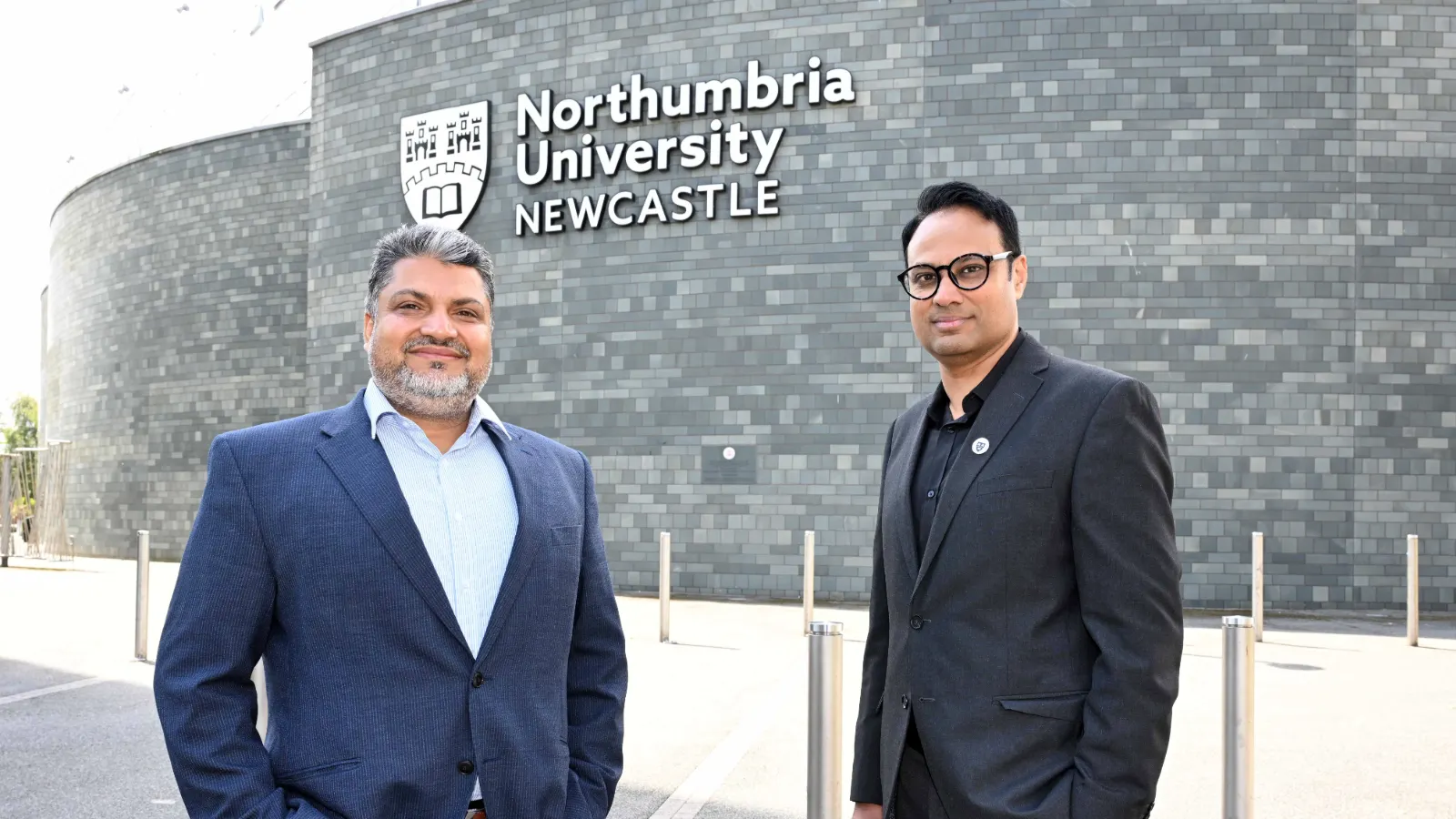
Dr Jibran Khaliq of Northumbria University said the project represents the transition from laboratory validation to commercial scale. "This is the step that turns research findings into an investable, replicable business that Pakistan can own and scale."
The consortium has mapped a roadmap to replicate the model across 30 sites in Pakistan, which would displace more than 100,000 tonnes of imported coal annually. The project was one of only three mid-stage projects funded by Energy Catalyst from nearly 300 applications.