



A collaborative research team including scientists from the Polytechnic University of Madrid (UPM) has proposed a new business model for biomethane production that pools resources across multiple small livestock farms, addressing one of the key barriers that has historically made small-scale upgrading uneconomical.
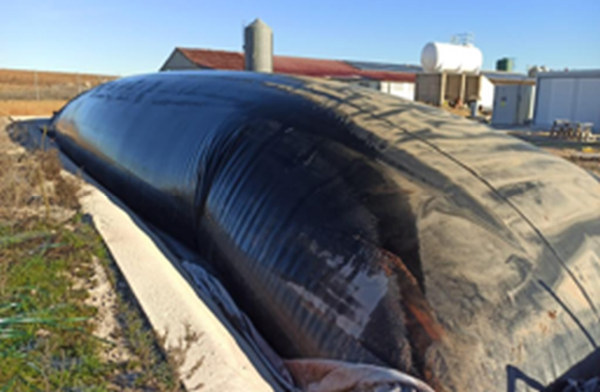
The model, published in the journal Sustainable Development, involves producing biogas through anaerobic digestion on individual farms and transporting it to a central facility for upgrading to biomethane. The resulting gas can then be injected into the gas network or used as fuel for vehicle fleets and heavy-duty transport.
A techno-economic analysis of the model, based on a network of 48 farms, found total biomethane production of 11,780 MWh per year. The initial investment cost was calculated at €7.65 million, with annual operating costs of €1.095 million. The study used these figures to model break-even biomethane prices across different time horizons.
The research was conducted by teams from UPM's School of Mining and Energy Engineering, the University Institute for Research in Sustainable Processes at the University of Valladolid, and the consultancy NTT Data Europe & Latam Green Engineering.
Pilar Martínez Hernando, a researcher at UPM, said the model demonstrated how small livestock farms could collectively overcome the limitations of small-scale production through shared infrastructure and distributed risk.
The study identified three key market participants: farms facing regulatory obligations around waste treatment, large investors seeking renewable energy exposure, and potential biomethane consumers such as transport fleet operators.
The researchers also assessed the model's alignment with the UN Sustainable Development Goals, identifying positive impacts on affordable and clean energy (SDG 7) and responsible consumption and production (SDG 12).
They concluded that distributed biogas production could function not only as a local manure management solution but as a replicable model for rural energy transitions across Europe and beyond.
Agriculture is the primary source of methane emissions in many countries, and the intensification of livestock farming has increased pressure to develop cost-effective mitigation strategies. Anaerobic digestion is a well-established response, but the economics of biomethane upgrading at small scale have remained challenging. The distributed model proposed by the research team is designed to resolve that tension by separating the production and upgrading stages across a networked group of farms.