



CHN Energy's Unit 2 at Qingyuan Power Plant in Guangdong Province has successfully operated at 10% thermal share biomass co-firing, marking China's first high-ratio biomass co-firing deployment on a one-gigawatt-class generating unit.
The achievement addresses technological gaps in large-scale biomass utilisation within existing coal-fired infrastructure.
The facility processes locally-sourced agricultural and forestry residues—crop straw, forestry residues and wood chips from furniture manufacturing—through dedicated pulverising, storage and pneumatic conveying systems integrated into the existing power station infrastructure.
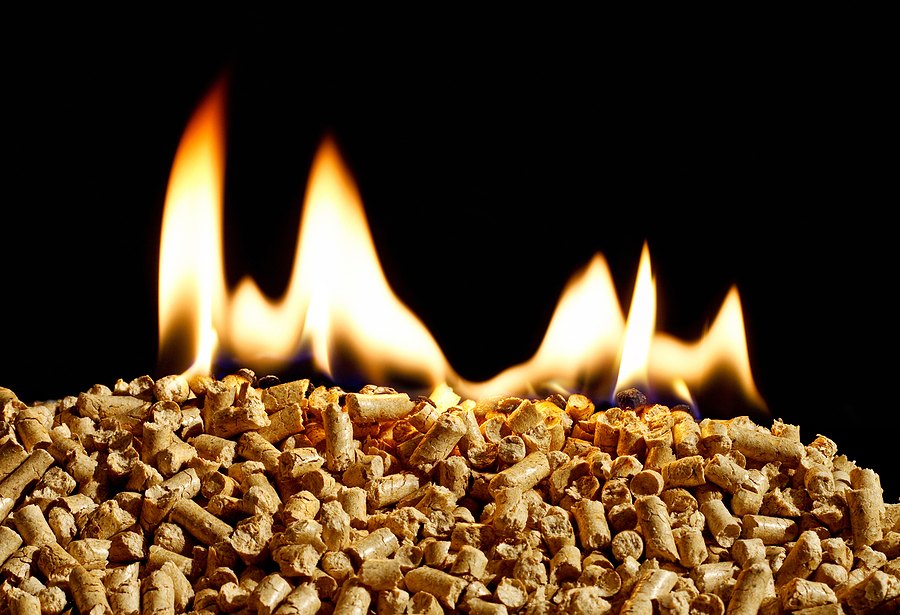
Biomass feedstock undergoes crushing, drying and pulverisation before co-combustion with pulverised coal in the boiler.
The Qingyuan plant is the only facility in China equipped with four one-gigawatt ultra-supercritical units featuring double-reheat technology. Unit 2's co-firing operational testing maintained all key parameters within qualified ranges throughout the trial period.
From an environmental perspective, the 10% biomass co-firing displacement replaces approximately 142,000 tonnes of standard coal annually, reducing carbon dioxide emissions by an estimated 347,000 tonnes annually. This emissions reduction is equivalent to the carbon sequestration of approximately 1.8 million planted trees over the same period.
The project addresses three significant technical barriers in biomass co-firing deployment: high feedstock handling costs, spontaneous combustion risk during storage and conveying, and limited capacity in pulverising and conveying infrastructure at existing plants. The integrated technological system developed for Qingyuan provides a replicable model for other large-scale coal-fired facilities pursuing biomass co-firing retrofits.
From a socio-economic perspective, the project has established a regional supply chain linking farmers, agricultural cooperatives, biomass processing enterprises and the power plant. The integrated value chain is expected to create approximately 200 jobs and increase local farmers' annual income by approximately 15 million yuan (€2.04 million).
The successful deployment demonstrates technical feasibility for high-ratio biomass co-firing on one-gigawatt-class ultra-supercritical units in China, a market segment previously lacking operational precedent. Further deployment across China's existing coal-fired fleet could represent significant biomass utilisation opportunity and coal displacement at industrial scale.