



When AD Fuels completed the UK's first virtual pipeline operation in 2014, the concept of trucking compressed or liquefied biomethane from anaerobic digestion plants to gas grid injection points was largely untested. More than a decade on, the West Sussex-based haulier has watched the sector grow — but not, its managing director concedes, as fast as he had hoped.
"The industry has grown, but not as much as I would have hoped," said Jon Mayes, who runs the company from its base near Arundel. "There are three further injection facilities across the country — Vale Green, Doncaster and more recently Banbury. These facilities have given AD plants a wider opportunity to realise more for their biomethane, but the stumbling block is the tariff and the length of time any tariffs are available. The timelines are too tight for operators to consider the investment needed to make more of virtual pipeline opportunities."
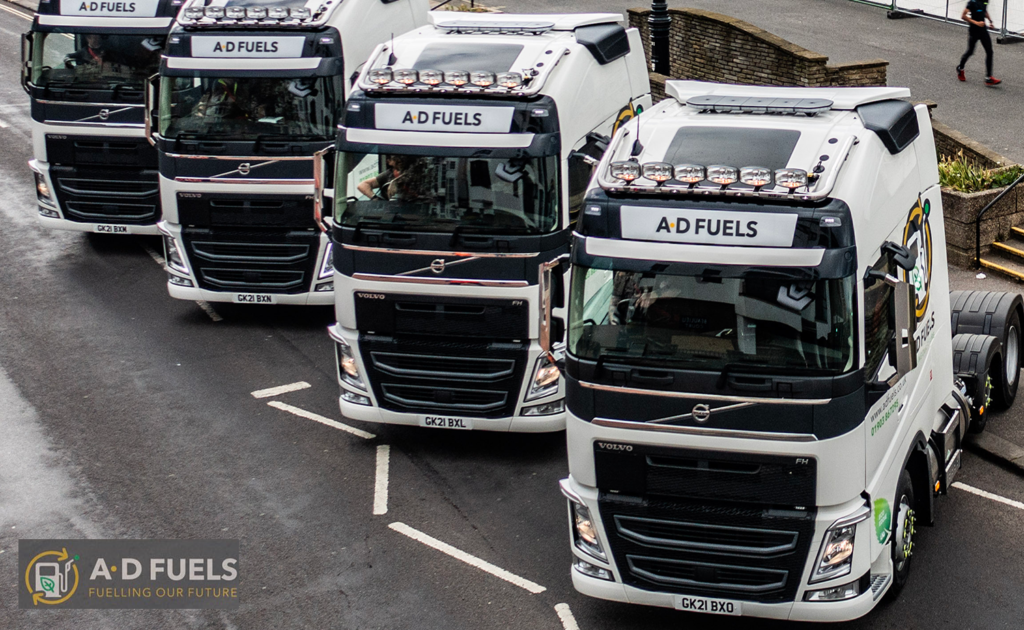
AD Fuels operates a fleet of cryogenic and compressed gas trailers alongside its own LNG- and CNG-powered trucks, holding ADR dangerous goods accreditation across its operations. The company originally transported feedstock going into AD plants as well as the gas coming out, but the balance has shifted decisively towards the latter.
"We don't transport feedstock any more, but we will always consider it if it helps keep costs down," Mayes said. "Using the same vehicle to deliver feedstock and then move biomethane makes sense. As it stands, we are 100% in the biomethane supply chain, but we are available and willing to work with clients on end-to-end solutions to find the most cost-effective options."
Hydrogen on the trailer
One of the more striking developments in AD Fuels' recent history is its move into hydrogen logistics, listed alongside LNG and CNG in the company's service offering. Mayes said the work is already well under way.
"We are fully engaged with hydrogen haulage, moving it in bulk and in small mini refuellers. We work with several major clients on the movements and logistics of the hydrogen supply chain. It is a growing area, particularly in the construction and agriculture markets."
He is clear, however, that hydrogen and biomethane are not in competition. "[They are] most definitely complementary," he said. "There is a market for LNG, CNG, hydrogen and electric as future fuels."
Where Mayes is less sanguine is on government policy. The focus on zero tailpipe emissions, he argued, risks leaving fleet operators stuck on diesel while they wait for options that are not yet commercially ready — when an 85% carbon reduction is available now.
"The problem is that the government is focused on promoting zero tailpipe emissions, which is admirable, but as that option is not readily available, operators are sitting on the fence and continuing to purchase diesel vehicles," he said. "There is a here-and-now alternative in biomethane. It is not zero tailpipe, but it does offer 85% carbon reductions, which is far better than diesel and heavy oils. It is available now and the infrastructure is improving daily."
AD Fuels practises what it preaches, though Mayes acknowledges there is room for improvement. The company's own fleet is 27% biomethane, fuelling with both LNG and CNG. "We want to improve on that and will continue to do so as the fuelling infrastructure allows," he said.
Training the next generation
As the biomethane logistics sector scales up, one constraint looms larger than equipment or infrastructure: people. Qualified drivers with ADR certification and experience handling cryogenic or compressed gas loads are in short supply, and Mayes recognised the problem early enough to build a business around it.
"There is most certainly a limited supply of qualified and suitably trained drivers," he said. "We recognised this bottleneck in our own growth, so we opened a support business called Elephas."
Elephas operates a commercial workshop for HGVs and semi-trailers specialising in ADR work, with a nitrogen purging facility to support hot works on trailers. It acts as a distributor for virtual pipeline equipment manufacturers including Aritas, Hexagon and Pacton, and runs a training arm covering CPC, ADR, driving assessments and, as Mayes put it, "everything in between."
It is a telling move from a company that started out simply moving gas from A to B. More than a decade after that first virtual pipeline run, AD Fuels is positioning itself not just as a haulier but as a service provider across the biomethane logistics chain — from the trailer to the training room.