



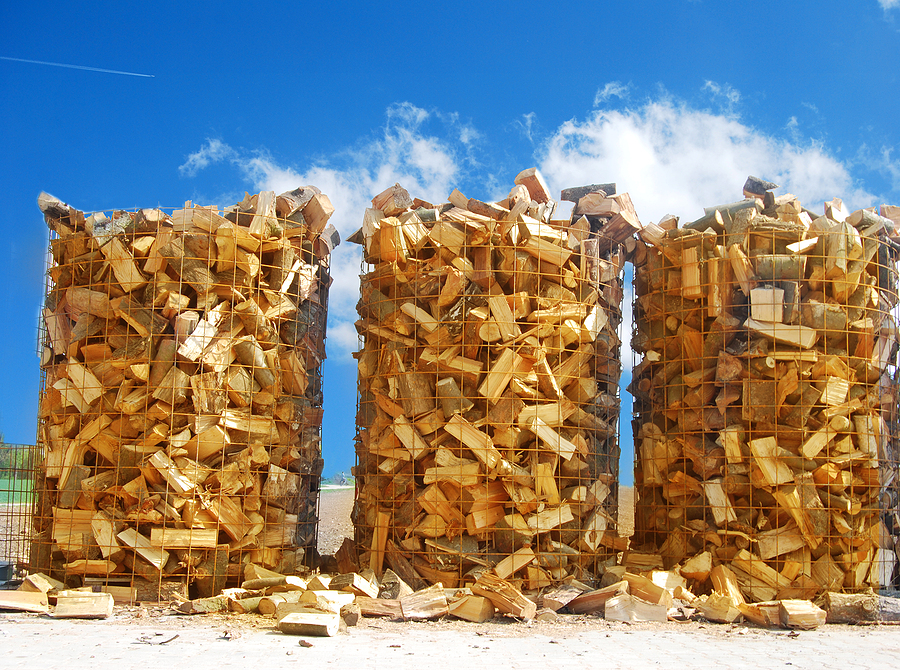
A five-year, $1.7 million (€1.56 million) grant awarded to the Intertribal Timber Council (ITC) and Sustainable Northwest will help Tribal Nations across the United States build infrastructure and markets for woody biomass and small-diameter wood currently left as wildfire fuel or unutilised forest residue.
The award, from the U.S. Endowment for Forestry and Communities, selected the SNW-ITC partnership as one of only five projects nationally and reflects the scale of underutilised biomass feedstock on Tribal lands.
Across the country, 310 Tribally owned forests span 19.3 million acres of trust land, including 10.2 million acres of commercial forest. Yet Tribes currently harvest only approximately 50% of their annual allowable cut, constrained by market access and infrastructure deficits.
'Indigenous forest management isn't a side conversation. It's the model,' said Cal Mukumoto, executive director of the Intertribal Timber Council. "This funding lets us build the business infrastructure that creates stable and expanding markets for small diameter and woody biomass."
The structural barrier is acute. Decades of closures of rural mills and biomass facilities have eliminated local processing infrastructure. Tribal and rural biomass projects are perceived by investors as small-scale and high risk, making long-term financing for mill reconstruction and biomass facility development difficult to secure — even where forest health urgently requires active management and communities possess the workforce capacity.
SNW and ITC will establish a 'Wood and Biomass Hub' at ITC headquarters, providing expert business development and financing support to Tribal Nations. The initiative will launch with three pilot Tribal communities and scale across the ITC's network of more than 60 member Tribes nationwide.
Over five years, the project aims to convert tens of millions of board feet of overlooked wood into commercial biomass products, attract millions of dollars in infrastructure investment, support new Tribal business development and jobs, and advance forest stewardship across tens of thousands of acres of Tribal land.
Dylan Kruse, president of Sustainable Northwest, noted the self-reinforcing cycle: 'Without market access, restoration stalls; without restoration, forest health declines and wildfire risks increase; and without wood and biomass revenue, communities cannot sustain the operations that break that cycle.'