



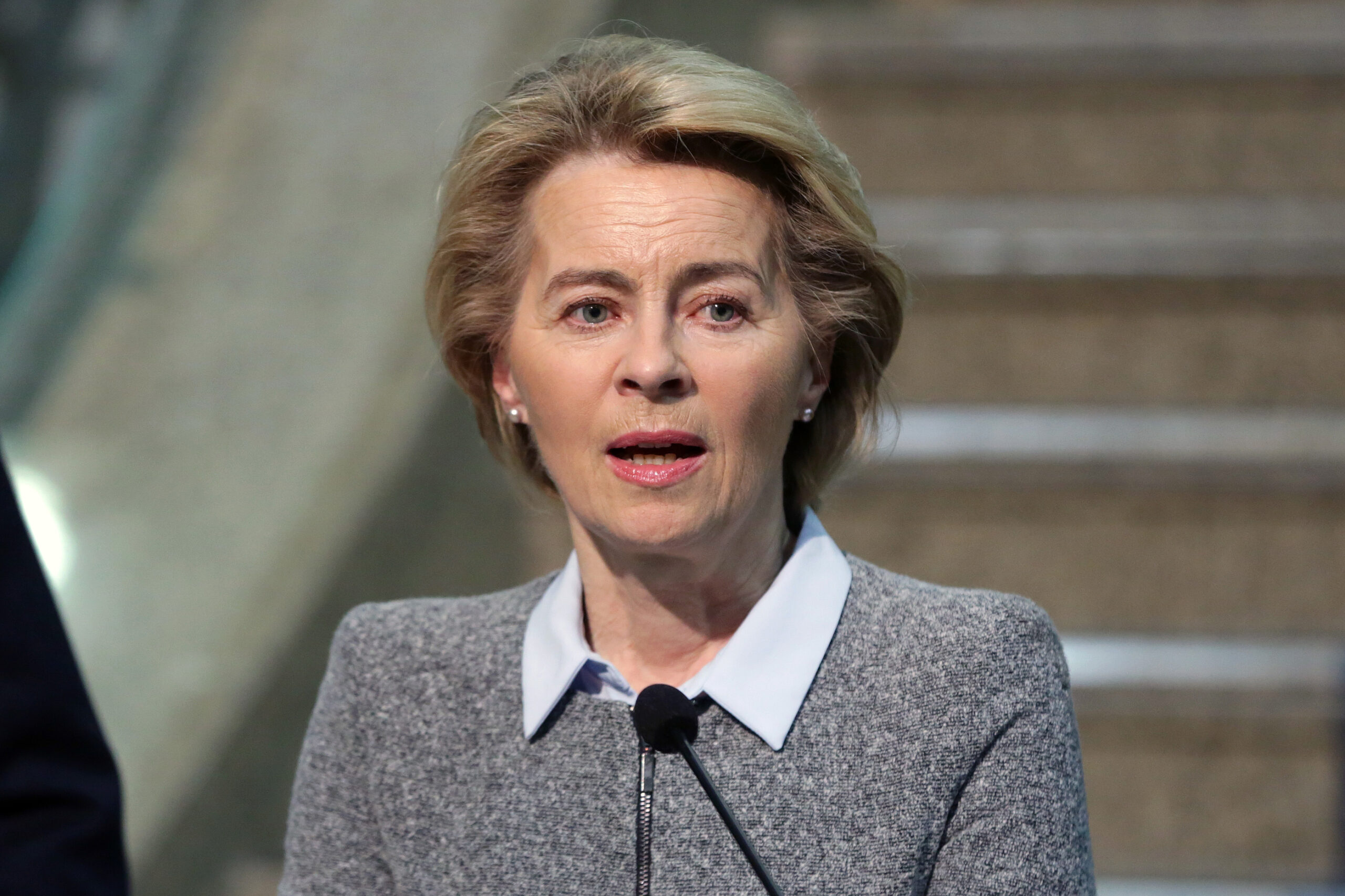
In her 2026 State of the Union Address, European Commission President Ursula von der Leyen has placed biomethane squarely at the centre of Europe's energy independence strategy, positioning renewable gas alongside nuclear and renewables as critical to breaking fossil fuel dependency and driving down energy costs.
"So, we need to double down on our affordable, homegrown, clean energy. Be it renewables and nuclear, or biomethane and others. Technologically neutral. But they must give us independence and drive down energy prices," von der Leyen told the European Parliament.
The remarks come as Europe continues to manage the economic impact of Russian energy constraints and broader global energy volatility.
The Commission President highlighted the financial toll of fossil fuel dependence, stating that imported fossil fuels have cost Europe an additional €90 billion since the start of the conflict – "without a single molecule of energy added."
Energy independence through diversification
The Commission's approach emphasises technological diversity rather than pursuing a single energy pathway. By naming biomethane explicitly alongside renewables and nuclear, von der Leyen signalled that gaseous renewable energy plays a necessary role in Europe's transition away from Russian gas and other imported fossil fuels.
The policy framing addresses a core tension in Europe's decarbonisation strategy: the need for reliable, dispatchable energy that can support industrial heat demand and grid stability, alongside variable renewable electricity.
Biomethane production from agricultural residues and waste offers a distributed, flexible energy source that can integrate with existing gas infrastructure and support industrial users unable to electrify all process heat.
Economic and policy context
Von der Leyen's positioning of biomethane reflects broader shifts in EU energy and industrial policy. The Commission has identified energy cost as a material constraint on European industrial competitiveness. Diversifying renewable gas supply – rather than relying solely on grid electrification – offers a pathway to reduce fossil fuel imports while maintaining industrial capacity in sectors with high process heat demand.
The reference to "homegrown" energy is also significant. Unlike imported LNG or Russian gas, biomethane production is distributed across Europe's agricultural and waste management infrastructure. The European Biogas Association reported in recent months that biomethane deployment is constrained primarily by policy support and investment, not by resource availability.
Implications for biomethane investment
The speech indicates likely forthcoming policy measures to accelerate biomethane deployment. The Commission has already committed to its methane strategy and has signalled support for biogas infrastructure.
Von der Leyen's emphasis on energy independence, coupled with the commitment to affordability and domestic production, suggests that biomethane support – whether through mandates, investment frameworks or infrastructure coordination – will feature in upcoming policy announcements.
The timing aligns with broader EU energy market discussions. As Europe continues to manage energy costs and industrial competitiveness, policy makers are increasingly receptive to solutions that reduce fossil fuel import bills whilst maintaining stable energy supply to industrial and heating users.