




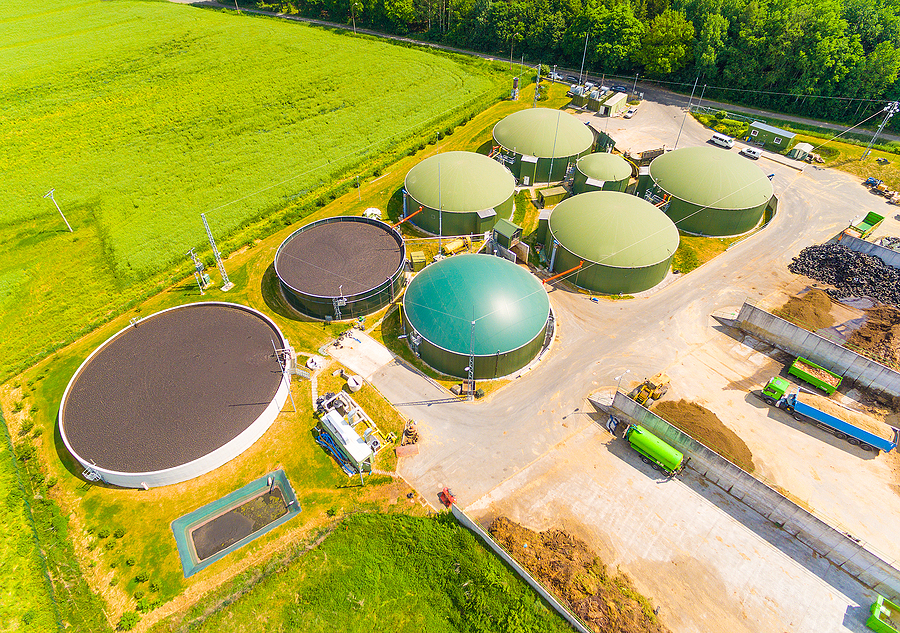
Pretoria Energy has submitted planning applications for a new large-scale anaerobic digestion plant west of its existing Mepal AD plant near Chatteris, Cambridgeshire. The proposal includes a similar facility application at Stretham within the same local authority area.
The new Chatteris site would process approximately 220,000 tonnes of feedstock annually, comprising poultry and chicken litter, straw and blended liquid food waste, to generate biogas for export to the gas network via an existing connection point at the adjacent Mepal facility. Thermal output is forecast to exceed 50 megawatts.
Operational traffic impacts are estimated at 100 heavy goods vehicle movements daily. The existing Mepal plant generates 120 HGV movements daily (60 inbound, 60 outbound), creating potential overlap with new site operations during a "temporary period" following commissioning. Construction is anticipated to require approximately 24 months, with working hours 7am-6pm Monday-Friday and 8am-1pm Saturdays.
Environmental assessment documentation identifies that the site has "potential to cause changes in pollution levels at sensitive ecological locations". The Ouse Washes, a designated special protection area and special area of conservation, is situated approximately 2.2 kilometres from the proposed site. An ecological air quality assessment submitted with the application claims the site is "not likely to have any significant effects" on protected areas, with the screening distance not including the Washes.
Pretoria has submitted a noise assessment stating there would not be a significant effect from operational activities. However, the assessment does not provide evaluation of construction-stage noise impacts, with the company asserting these would not be significant.
A new 530-metre access road between Blockmoor Drove and Short North Drove Byways has been proposed to serve the facility.
The planning applications are currently under consideration by local authorities. Pretoria Energy operates similar-scale anaerobic digestion infrastructure at multiple sites across East Anglia, processing agricultural and food waste feedstocks for biogas production and grid injection.
The dual applications reflect expanded biogas deployment strategy across the East Anglian region, with both sites targeting established agricultural feedstock bases and grid connection availability.