





Cycle0 has brought two new biomethane plants online in Spain, raising its total number of operational sites in the country to seven.
The move marks further progress towards the company’s plan to build, own and operate up to 30 plants nationwide as part of a €200m investment programme in renewable natural gas.
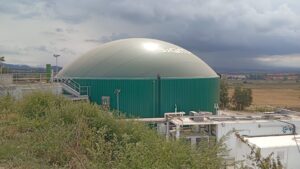
The new facilities, located in Manlleu in Barcelona and Artajona in Navarra, use cattle waste from local farms to produce up to 120 Nm³ of biomethane an hour, equivalent to 15 GWh a year.
The biogas is upgraded using technology made by FNX, Cycle0’s Basque-based subsidiary, before being injected into the gas network via a virtual pipeline operated by the group.
Cycle0 said the projects were developed in close partnership with local farmers, helping them manage waste while generating long-term economic benefits and new jobs.
The additional output will help narrow the gap between current biomethane production and Spain’s Biogas Roadmap target of delivering at least 20 TWh of renewable gas annually by 2030.
Alongside the two new sites, Cycle0 already operates four plants in Spain: two in Lleida and two industrial waste-to-energy facilities in Castilla-La Mancha and Galicia.
It also runs the first private injection point on the Spanish gas grid.
FNX, based in Artea in the Basque Country, employs around 50 people in manufacturing and engineering roles and supports Cycle0’s vertically integrated model.
Earlier this year the group announced plans to develop up to 30 small and medium-sized biogas plants across Spain, with a combined output of around 800 GWh - enough to supply gas to about 123,000 households.
The programme also includes new injection points and facilities capable of liquefying biomethane for transport use.
Cycle0 chief executive Laurence Molke said the latest commissioning “further proves our commitment to the Spanish market and our ability to deliver on our investment pledges”.
FNX managing director Jordi Berengué said the projects reflected strong collaboration with farmers and local communities, adding: “We thank them for their trust.”
Cycle0 opens two biomethane plants in Spain