





Britain could reduce the impact of rising global gas prices and supply concerns caused by conflict in the Gulf by rapidly scaling up domestic green gas production, according to the UK's anaerobic digestion industry.
The Anaerobic Digestion and Bioresources Association (ADBA) says existing biomethane plants could increase output by almost a third within months if the government removes a series of regulatory barriers, boosting UK gas supply ahead of next winter.
The UK currently produces around 7 TWh of biomethane annually, enough to heat roughly two-thirds of a million homes. Industry estimates suggest output could rise to around 9 TWh by next winter — sufficient, the sector claims, to replace the entire volume of gas Britain imported from Qatar in 2024.
Disruption in the Gulf has pushed up prices worldwide as shipments are redirected to the highest bidders, meaning British households and businesses are exposed to global market volatility with limited domestic buffer.
ADBA chair and former energy secretary Chris Huhne said: 'Britain cannot control global gas markets, but it can control how much of its energy it produces at home. Biomethane is ready to go today. With a handful of swift policy changes we could rapidly increase domestic gas production within months, cutting imports and helping protect households from the worst of global price and supply shocks.'
Although gas demand typically eases over spring and summer, the industry says decisions taken now will determine how resilient the UK energy system is heading into next winter. The UK currently holds far less gas in storage than comparable European countries and remains heavily exposed to global market swings.
The argument draws on precedent from the continent. Following Russia's invasion of Ukraine in 2022, the European Union made biogas and biomethane central to its energy security response. Denmark now meets around 40% of its gas demand from biomethane, while France has rapidly expanded production.
Industry leaders argue the UK has the resources to go considerably further — studies suggest biomethane could eventually produce around 120 TWh annually, potentially supplying between 20% and 50% of long-term UK gas demand.
The sector has identified several targeted policy changes it says could unlock additional production quickly, including removing production caps within the Green Gas Support Scheme, reforming gas grid injection limits so plants can operate at full capacity, prioritising domestic green gas over imported LNG, investing in network flexibility technology, and scrapping outdated regulations requiring propane to be blended into biomethane before grid entry.
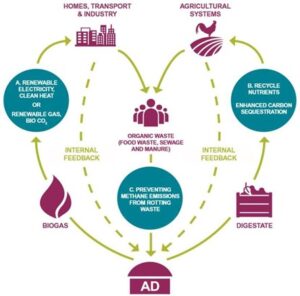
There are currently more than 750 biogas plants operating across the UK, processing around 36 million tonnes of organic waste each year. Fully developed, the sector is said to be capable of heating nearly seven million homes while supporting tens of thousands of jobs across farming, waste management and energy infrastructure.
British biogas could shield households from Gulf energy shock