






Researchers at the CSIR–Central Leather Research Institute (CSIR-CLRI) in Chennai have developed a new approach to increasing biogas production by using banana and cauliflower waste, while also helping to reduce carbon dioxide emissions.
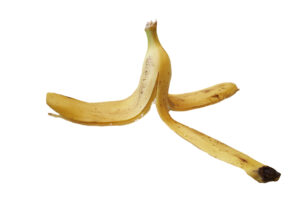
The research team created a low-cost biogas enhancement method that incorporates banana peels and cauliflower stems into food-waste digesters. The addition of this agricultural waste was found to improve digestion efficiency and increase the output of renewable energy.
Biogas is produced when organic waste is broken down by microorganisms in an oxygen-free environment. However, food waste on its own tends to decompose rapidly and become highly acidic. This acidic environment restricts the activity of methane-producing microbes, which in turn reduces gas production. The inclusion of banana peels and cauliflower stems helps counter this effect by naturally moderating acidity and maintaining a more stable digestion process.
The technique was evaluated under laboratory conditions over a 30-day period. Food waste sourced from restaurants and a university mess hall was mixed with either banana peel waste or cauliflower stem waste in a 70:30 ratio. Throughout the trial, researchers monitored gas output, acidity levels, digestion rates and microbial activity.
Results showed that the added vegetable waste prevented excessive acid build-up and supported the stable conditions required for efficient methane generation. This led to a marked improvement in the overall performance of the biogas system.
The study found that biogas production increased by around 30 per cent when cauliflower stems were added and by approximately 22 per cent when banana peels were used, compared with systems processing food waste alone. Notably, these improvements were achieved without the use of chemical additives.
Further analysis revealed a higher concentration of methane-producing microorganisms in digesters that included vegetable waste. These microbes are essential for converting organic material into methane, helping to explain both the increased gas yield and the improved stability of the system.
The researchers caution that the findings are based on controlled laboratory experiments and do not yet demonstrate how the method would perform over extended periods or at full industrial scale.
Beyond increased energy generation, the approach could also deliver environmental benefits. When scaled to handle one tonne of waste per day, the system could potentially prevent between 1,391 and 1,854 kilogrammes of carbon dioxide emissions each year.