



Verbio has reported record production figures for the 2025/26 financial year, with the German biorefinery group producing 1.218 million tonnes of biodiesel and bioethanol worldwide, alongside 1,410 GWh of biomethane—up from 1,190 GWh the previous year.
The company's products and trading activity delivered CO₂ savings of 4.7 million tonnes of CO₂ equivalent over the period.
The results come alongside a broader shift in how biomass is positioned within European energy and industrial policy. Verbio Chief Executive Officer Claus Sauter described a "paradigm shift" taking place across Europe, with biomass increasingly recognised as central to regional agriculture, energy security and climate mitigation, particularly given ongoing geopolitical risk to fossil fuel supply chains.
Bio-LNG gains ground
Verbio highlighted biomethane's growing role as a practical alternative fuel across multiple sectors, particularly heavy goods vehicle transport. Bio-LNG produced from regional residual materials can replace fossil diesel in freight transport, offering fuel costs up to 50 per cent lower and CO₂ reductions of up to 100 per cent, according to the company. A range exceeding 1,000 kilometres per tank makes the fuel viable for long-distance haulage.
Verbio operates its own fleet of approximately 170 Bio-CNG and Bio-LNG trucks, alongside Bio-LNG production facilities in Germany and a network of 46 own and partner filling stations along major transit routes. The company positions this infrastructure as a market-ready solution offering transport operators a genuine cost and sustainability advantage over diesel.
"Bio-LNG is available, tried and tested, and economically viable," said Sauter. "We have made upfront investments in production, our network of filling stations and our fleet of vehicles. It is now up to the politicians to act. The climate change mitigation benefits of Bio-LNG must be recognised in the truck toll scheme, and renewable fuels must be treated on an equal footing when it comes to tax relief."
Beyond transport, new biomethane demand is emerging from Germany's heating sector, where the Building Modernisation Act (Gebäudemodernisierungsgesetz) is opening the residential heating market to biomethane. A planned green gas quota covering the broader gas market could further expand industrial biomethane applications, according to the company.
New speciality chemicals plant
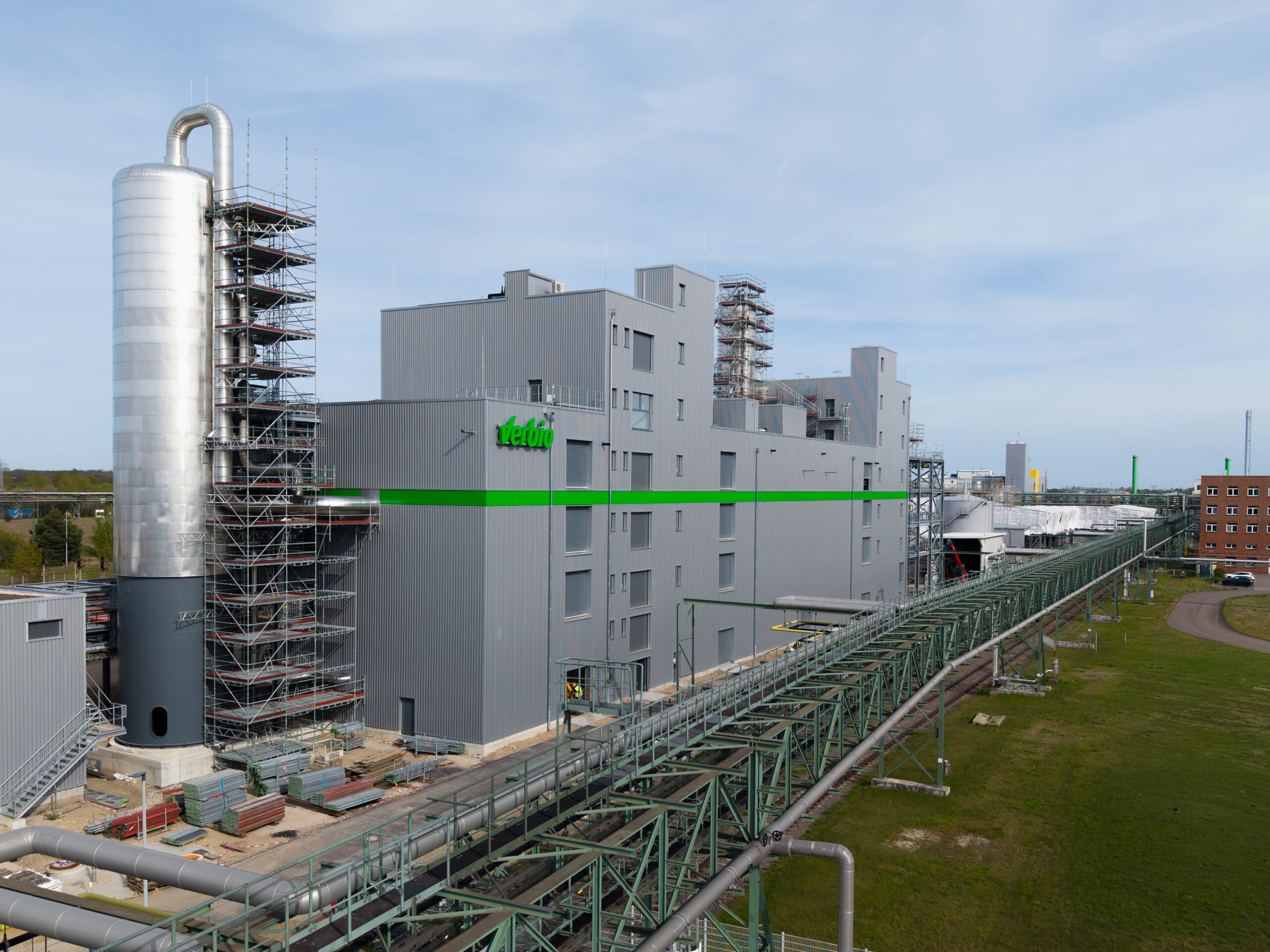
Verbio has invested just under €100 million in what it describes as the world's first industrial-scale ethenolysis plant based on rapeseed methyl ester, marking the company's expansion into bio-based speciality chemicals. The plant, based at Verbio's original Bitterfeld site—where the company commissioned its first production equipment 25 years ago—will create around 50 new jobs in addition to the roughly 120 existing positions there. The facility will come online in stages, with an official opening ceremony scheduled for October 6, 2026.
Once fully operational, the plant is expected to produce up to 60,000 tonnes of bio-based speciality chemicals annually. These renewable carbon compounds are designed to replace fossil-based raw materials in lubricants, detergents, cleaning products and plastics. The underlying technology is based on a Nobel Prize-winning chemical process, which Verbio is scaling to industrial application for the first time.
"With this investment, we are expanding our business model beyond the biofuels market," said Sauter. "We provide renewable carbon molecules that the chemical industry urgently needs in order to become more independent of fossil raw materials and, as a result, more sustainable and competitive."
Sauter framed the shift as one of defossilisation rather than decarbonisation: "A sustainable supply of energy and raw materials requires both: renewable electrons where electrification is feasible, and biomass-based molecules where electrification is not possible or not economically viable."
Multiple use of biomass
Operationally, Verbio has focused on extracting greater value from each tonne of raw material processed, marketing co-products including glycerine, phytosterols and biogenic CO₂ alongside its core biodiesel, bioethanol and biomethane output. This multiple-use approach to biomass processing, combined with stricter capital discipline and more efficient processes across the value chain, has improved the CO₂ efficiency and economic performance of the company's biorefineries.
North American expansion
Looking ahead to the 2026/27 financial year, Verbio expects continued growth in biomethane production, including through further conversion of its South Bend, Indiana plant in the United States into a combined bioethanol/biomethane production facility. The company anticipates higher biomethane production volumes, alongside increased contributions from its North American operations, as key drivers of earnings growth in the year ahead.
Verbio's Geneva-based trading subsidiary has also expanded the company's global trading activity in biomass molecules, giving the company what it describes as a more accurate picture of global trade flows, raw material availability and price trends across a market characterised by diverse regional regulatory frameworks.