




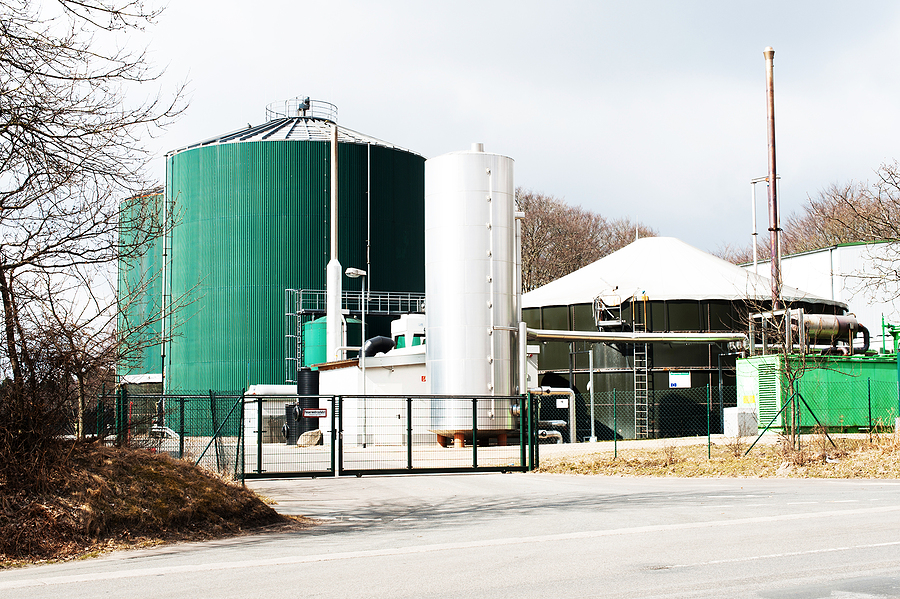
A dairy farm in Colombia's second-largest cheese-producing region has successfully generated biogas from whey and cattle manure, eliminating up to 100% of propane fuel use in cheese-making and cutting the production process's carbon footprint by 43.6%.
The pilot project, led by researcher Miguel Casallas of the University of La Sabana, demonstrates how a stubborn dairy processing by-product can be converted into renewable energy while reducing waste management challenges that plague the sector regionally.
Cheese production in Colombia's Ubaté region generates approximately nine kilograms of whey for every kilogram of cheese produced. Without proper management, the high-organic-matter liquid contaminates waterways and soils, creating environmental hazards across a region where dairy farming underpins rural economies.
Researchers examined over 100 samples before settling on a feedstock mix of 65% whey and 35% cattle manure, fed into an eight-cubic-metre pilot biodigester. Microorganisms broke down the organic matter in an oxygen-free environment over a three-month stabilisation period before biogas production began.
The resulting biogas proved capable of replacing the full propane requirement for the farm's cheese-making thermal processes. Beyond powering production, the gas was also used to supply thermal energy to on-site worker housing. The carbon footprint improvement—43.6% reduction linked directly to cheese production—reflects both the displacement of fossil fuel combustion and avoided emissions from whey degradation in waterways.
After biogas extraction, the digestate ("biol") proved suitable as a soil improver on livestock land, though researchers cautioned against calling it a fertiliser due to insufficient nutrient concentrations for that classification. Its application reduced the farm's inorganic fertiliser consumption—including urea—by up to 50%, generating estimated savings of $410 monthly.
Casallas and his team emphasised that biodigester design cannot follow a universal formula. Temperature fluctuations, feedstock composition variability, cattle diet changes, and process-inhibiting substances must be assessed site-by-site.