




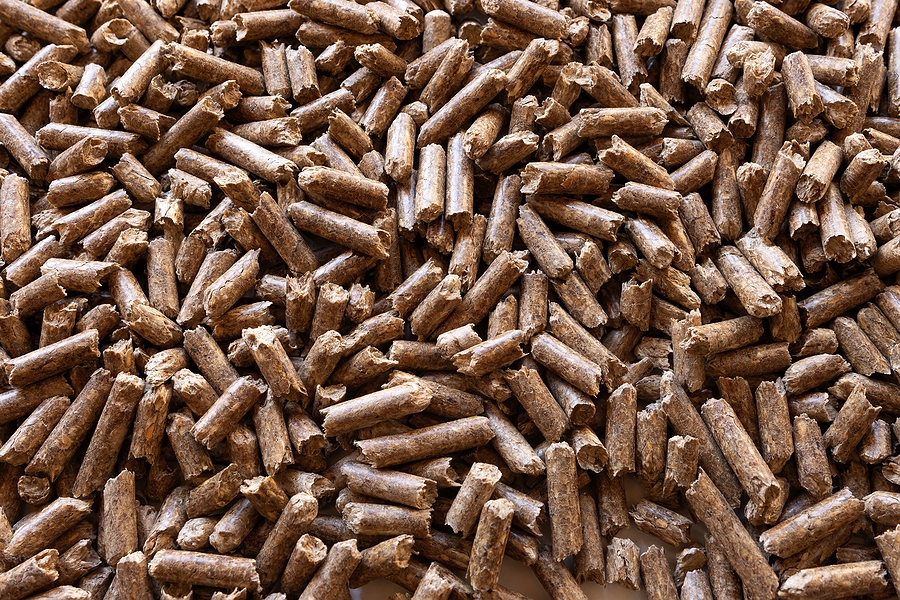
Wood pellet costs in Serbia have reached unprecedented heights as the heating season approaches, with prices climbing to €350 per tonne by late August — the highest level since commercial production began in the country.
The rapid escalation reflects mounting demand that has outpaced domestic manufacturing capacity. A year-on-year comparison reveals the severity of the price movement: pellets cost €230 per tonne in June 2025, climbing to €320 by June 2026, before reaching €350 by the end of August. That trajectory represents a 52 per cent increase over twelve months.
Retail pricing in Serbia now ranges from 38,000 to 47,000 dinars per tonne (€320–€400), depending on location and supplier. Consumers in Belgrade and Novi Sad face the highest prices at 42,000–44,000 dinars per tonne (€355–€372), while regional markets in Niš and Kragujevac offer modest savings at 36,700–42,000 dinars (€310–€355).
Domestic producers are operating at maximum capacity, yet still cannot match the volume retailers could sell. According to Branko Glavonjić, professor at Belgrade's Faculty of Forestry, demand currently exceeds production by a factor of three. This mismatch has prompted early purchasing behaviour, with consumers stocking fuel in July and August rather than waiting for October, a shift attributed to supply disruptions experienced during the previous heating season.
The scale of the shortage has prompted discussion of potential state intervention in the market, though no formal measures or timelines have yet been announced.
Despite recent increases, firewood continues to undercut pellets on a per-unit basis. Supplies of common hardwoods —b eech, oak, black locust, Turkey oak and hornbeam — trade between 6,500 and 12,000 dinars per cubic metre, with some premium listings reaching higher prices. Since August, suppliers have added 500–700 dinars per cubic metre to split firewood prices.
However, the comparison between heating fuels extends beyond raw cost. Vera Raznatović of the Serbian Chamber of Commerce's Energy and Mining Association notes that pellets offer distinct advantages: automatic feed systems, reduced ash production and lower maintenance demands justify the premium for many households.
The Energy Agency of Serbia has found that consumers who sourced wood at favourable prices and invested in efficient stoves achieved the lowest seasonal heating costs among all observed fuels.
Certification remains the only reliable method for buyers to verify pellet quality. A Rulebook on Technical Requirements for Solid Fuels from Wood Biomass has been in force since October 2025, requiring both domestic and imported producers to declare quality specifications before market entry.
Lower-grade pellets frequently contain excess ash and moisture, which can damage fuel-feed systems and strain heating equipment. Jugoinspekt maintains a published list of certified manufacturers.
The typical price differential between summer and winter pellets ranges from €30 to €40 per tonne, making off-season purchasing the economically sound choice for both fuels. Whether August's record pricing persists into the heating season will depend on how quickly manufacturers can clear delivery backlogs and ramp up production capacity.