




The UK's Christmas food waste could power tens of thousands of homes if diverted to anaerobic digestion facilities rather than landfill, according to Bio Capital, the country's largest producer of renewable energy from food waste.
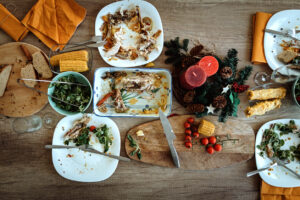
An estimated 230,000 tonnes of food will be wasted over the festive season, including two million turkeys, seven million mince pies, and 17 million Brussels sprouts.
If sent to landfill, this waste would release over 160,000 tonnes of CO2e - equivalent to adding 110,000 cars to UK roads for a year.
However, Bio Capital has calculated that processing this festive food waste through anaerobic digestion could generate enough renewable energy to supply approximately 36,000 homes.
The company operates specialist AD facilities across England, Scotland, and Northern Ireland, processing up to half a million tonnes of food waste annually.
"Christmas is one of the most wasteful periods in the UK calendar, but it doesn't have to be," said Jake Harrison, chief technical officer at Bio Capital.
"We challenge you to think differently about food waste and see it as part of an intelligent energy cycle that can power the country and save carbon emissions."
The anaerobic digestion process also creates high-quality biofertiliser that is returned to farmland to support sustainable agriculture, completing a circular economy loop.
Around 60–70% of UK food waste originates from households. Bio Capital is urging residents to use their food caddy bins this Christmas, enabling councils to collect waste for processing at AD facilities.
“Anaerobic digestion could transform 230,000 tonnes of Christmas food waste into renewable energy”